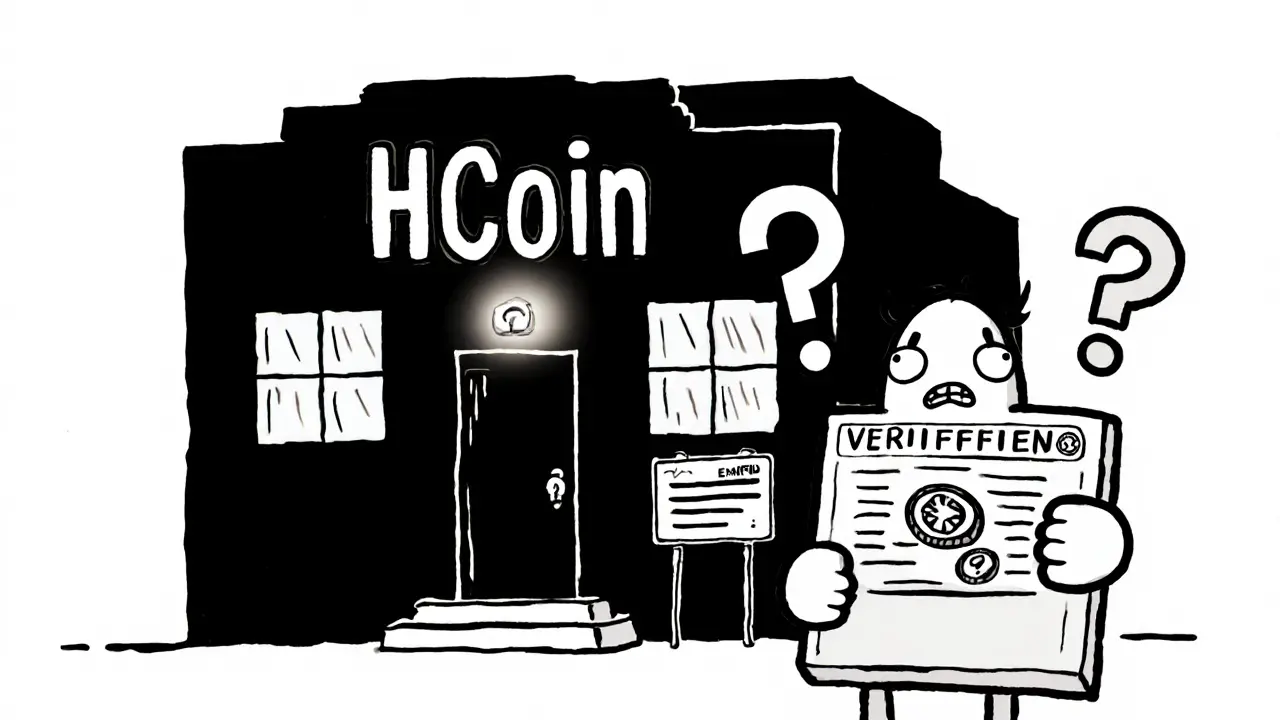
HCoin Legitimacy: Is This Token Real or a Scam?
When you hear about HCoin, a crypto token with no clear team, no trading volume, and no blockchain presence. Also known as H-Coin, it appears on price trackers like a ghost—visible but not real. This is the same pattern seen in dozens of fake tokens that vanish after a quick pump, leaving traders with worthless digital scraps.
Legitimate crypto projects don’t hide. They have public teams, audited code, active wallets, and real trading on decentralized exchanges. Zero supply tokens, like Margaritis (MARGA) or Carrieverse (CVTX), look similar to HCoin: no one can buy them, no one is using them, and no one is talking about them beyond price bots. These aren’t bugs—they’re red flags. The same goes for fake airdrops, like the LEOS Mega New Year Event or BABYDB, which trick users into connecting wallets or paying gas fees for nothing. If a token has no utility, no documentation, and no community, it’s not a project—it’s a trap.
Scammers rely on confusion. They copy names, clone websites, and use fake Twitter accounts to make their tokens look real. You’ll see HCoin on CoinGecko or CoinMarketCap, but those sites list almost anything—no approval, no verification. That’s why you need to dig deeper. Check the blockchain. Look for contract addresses. Search for team members on LinkedIn. Read the whitepaper—if it exists. If you can’t find a single honest detail, assume it’s fake. Real projects don’t need hype. They build, ship, and let users decide. HCoin doesn’t even try.
What you’ll find below isn’t just about HCoin. It’s a collection of real cases where people lost money to tokens that looked real but were dead on arrival. From LocalTrade’s fake volume to Metahero’s silent airdrops, these posts show you exactly how to spot the next scam before you click "Connect Wallet." You’ll learn what to look for, who to trust, and why most new coins you hear about on TikTok or Telegram are designed to fail.
HCoin crypto exchange lacks transparency, security details, user reviews, and regulatory info in 2025. Despite one positive review, no verifiable data supports its legitimacy. Avoid it until more evidence is public.
View More