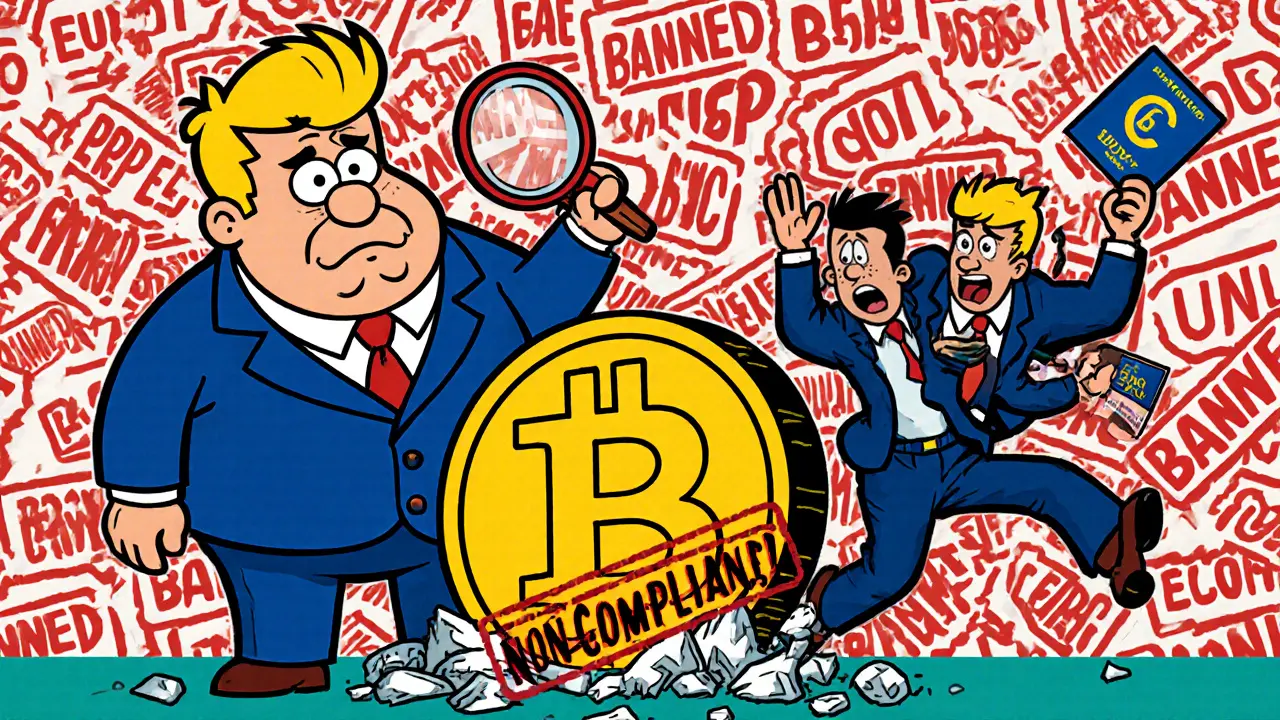
EU Stablecoin Rules: What You Need to Know About the New Crypto Regulations
When it comes to EU stablecoin rules, a set of strict requirements under the Markets in Crypto-Assets (MiCA) regulation that govern how stablecoins are issued, backed, and traded across the European Union. Also known as MiCA compliance standards, these rules are forcing every crypto project operating in Europe to rethink how they handle digital money. This isn’t just about banks or big firms—it affects anyone using or issuing a stablecoin like EURT, USDC, or even a homegrown EU-backed token. If your stablecoin doesn’t meet the reserve, transparency, or redemption standards, it can’t legally circulate in the EU. That’s a big deal.
The MiCA regulation, the first comprehensive crypto law in the EU that classifies digital assets and sets clear rules for issuers, exchanges, and service providers. Also known as Markets in Crypto-Assets framework, it came into full effect in 2024 and is already changing how companies operate. For example, stablecoin issuers must now hold 1:1 reserves in cash or highly liquid assets, publish monthly audits, and allow holders to redeem their tokens for euros at any time. No more vague promises. No more unbacked tokens masquerading as stable. The European Central Bank, the central monetary authority for the eurozone that has direct oversight over large stablecoin issuers under MiCA can even block a stablecoin if it threatens financial stability. And if you’re a trader using a non-compliant stablecoin on a European exchange? You’re at risk of losing access—or worse, your funds.
These rules don’t just target big players. Even small DeFi projects or crypto startups trying to launch a euro-pegged token now need legal teams, audit reports, and EU-based legal entities. That’s why you’re seeing so many projects either shut down in Europe or move operations offshore. Meanwhile, exchanges like Kraken and Coinbase have already pulled non-compliant stablecoins from their EU platforms. The crypto regulation EU, a broad term covering MiCA and related national laws that enforce transparency, consumer protection, and anti-money laundering in digital asset markets is making the market cleaner—but also much harder for newcomers.
What does this mean for you? If you’re holding stablecoins in the EU, check if they’re MiCA-compliant. If you’re building something in crypto, don’t assume you can ignore Europe—this is the largest single market in the world, and compliance isn’t optional anymore. The posts below dive into real cases: how exchanges are adapting, which tokens got pulled, what happens when a stablecoin fails the audit, and how users are reacting. You’ll see how these rules are playing out in practice—not just in legal documents, but in wallets, trading apps, and daily crypto use.
USDT is banned in the EU under MiCA regulation as of July 1, 2025. Learn why Tether failed compliance, how exchanges reacted, and which stablecoins are now legal alternatives for European users.
View More