Egypt Crypto Law: What You Need to Know About Crypto Regulation in Egypt
When it comes to Egypt crypto law, the legal framework governing cryptocurrency use and trading in Egypt. Also known as Egyptian cryptocurrency regulations, it’s one of the strictest in the Middle East. Unlike countries that embrace crypto as part of their financial future, Egypt has taken a hardline approach. The Central Bank of Egypt doesn’t recognize Bitcoin or any other digital asset as legal tender. That means you can’t use it to pay for groceries, rent, or even a coffee in Cairo. But here’s the twist: people still trade it—quietly, secretly, and often through peer-to-peer platforms.
Why? Because Egypt’s economy is under pressure. Inflation is high, the pound is weak, and many Egyptians see crypto as a way to protect savings. But the government doesn’t see it that way. Under the Foreign Exchange Law, Egypt’s primary legal tool for controlling currency movement and preventing capital flight, trading crypto can be treated as an illegal currency exchange. Violators face fines, asset freezes, and even jail time. This isn’t just a warning—it’s been enforced. In 2021, authorities shut down several crypto ATMs and arrested individuals running P2P trading operations. Even sending crypto to a friend overseas can trigger scrutiny from the Central Bank.
There’s no official tax code for crypto in Egypt yet, but that doesn’t mean it’s tax-free. The government monitors large transfers and could classify crypto gains as unreported income. If you’re trading, you’re technically operating in a gray zone. No one’s handing out licenses to exchanges. No one’s approving crypto ETFs. And no major bank will touch your account if they suspect you’re involved in crypto. Meanwhile, global exchanges like Binance and Kraken don’t offer direct fiat on-ramps for Egyptian users. That pushes traders toward risky local platforms, which often lack security, audits, or any legal protection.
What’s next? Some experts believe Egypt will eventually soften its stance—especially as neighboring countries like Nigeria and the UAE build crypto-friendly ecosystems. But for now, the law hasn’t changed. The Central Bank of Egypt, the national authority that controls monetary policy and enforces currency rules still sees crypto as a threat to financial stability. So if you’re in Egypt and you’re holding or trading crypto, you’re doing it at your own risk. No one’s coming to bail you out if a platform vanishes or your funds get frozen.
The posts below cover real cases: scams targeting Egyptians trying to trade crypto, platforms that claim to be legal but aren’t, and how people are finding ways around the rules. You’ll also see what happens when someone tries to cash out crypto earnings in Egypt—and why most end up losing money. This isn’t theory. It’s what’s happening right now, on the ground, in Cairo, Alexandria, and beyond.
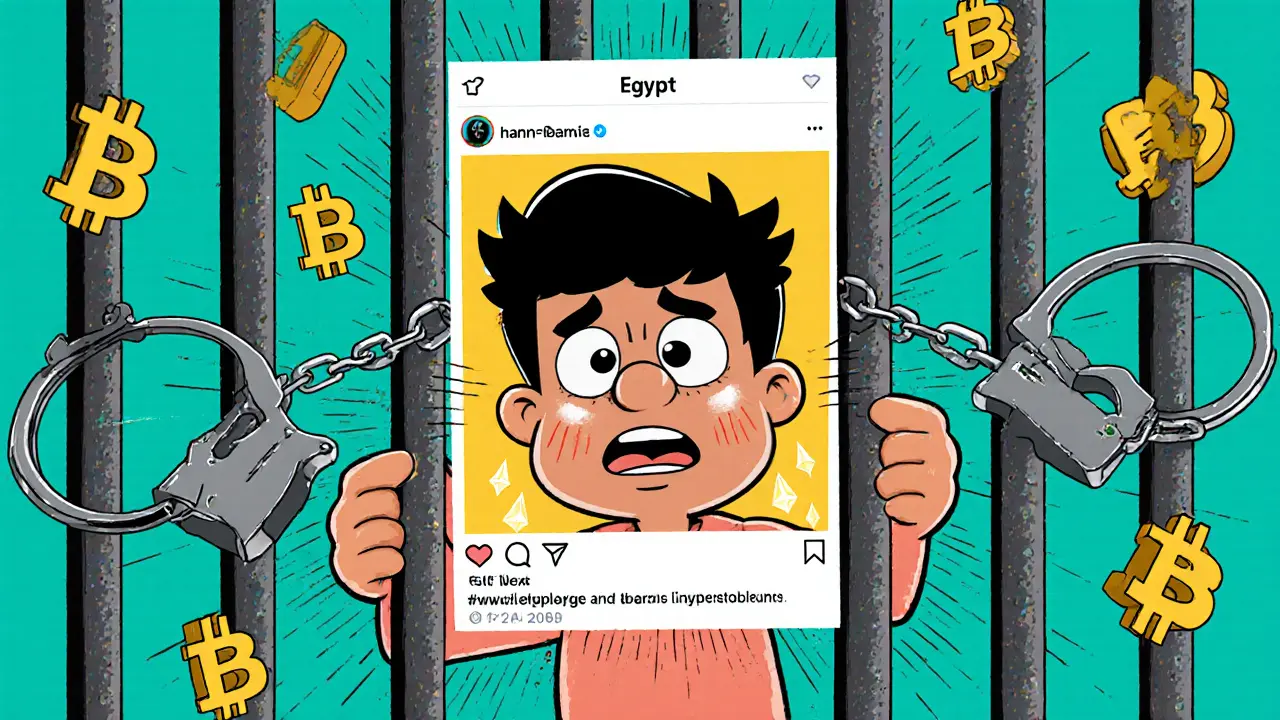
Egypt imposes prison time and heavy fines for promoting cryptocurrency. Learn what counts as illegal promotion, who gets targeted, and why millions still use crypto despite the risks.
View More