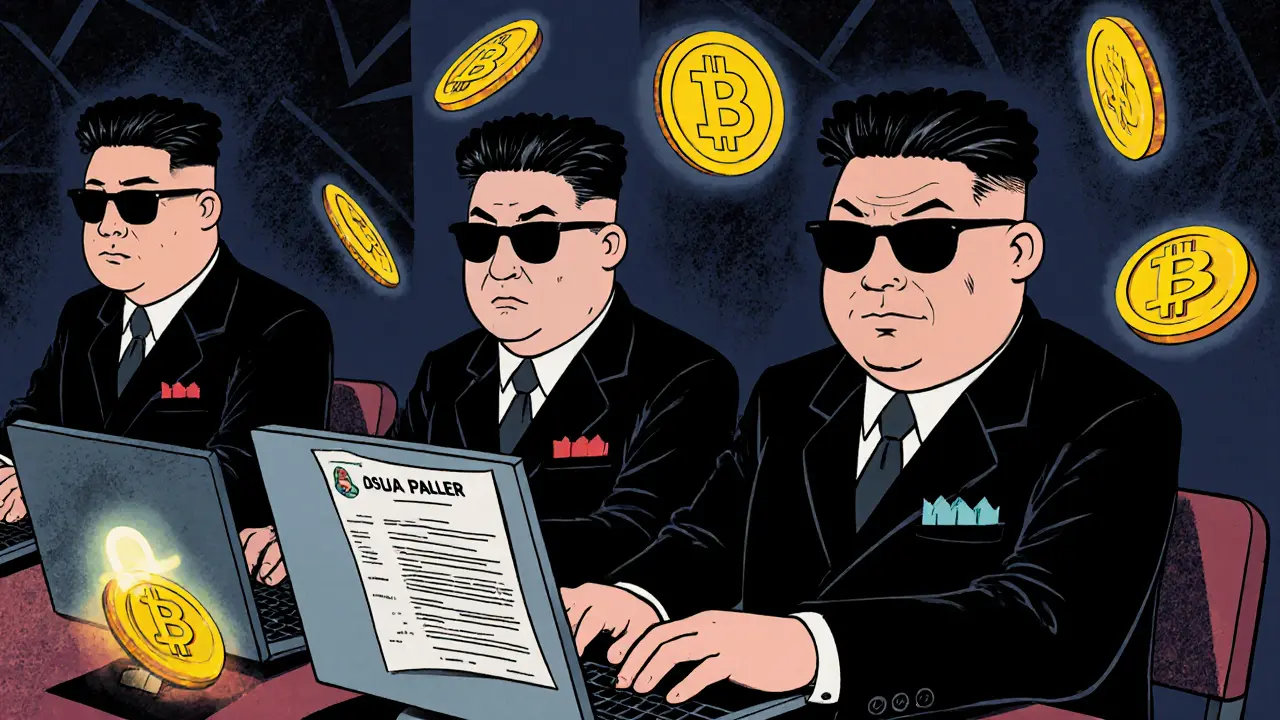
DPRK Hacking: What You Need to Know About North Korean Cyber Attacks
When you hear DPRK hacking, state-sponsored cyber operations launched by North Korea to steal funds, disrupt systems, and fund national programs. Also known as North Korean cyber attacks, these aren’t theoretical threats—they’re active, well-funded, and targeting crypto exchanges, wallets, and DeFi protocols every single week. Unlike random hackers, DPRK groups operate like military units: organized, patient, and backed by a government that sees crypto theft as a legitimate revenue stream.
These groups—like Lazarus Group and Kimsuky—have stolen over $3 billion since 2017, according to blockchain analysts at Chainalysis. They don’t break into systems with fancy tools. They use social engineering, fake job postings, phishing emails, and even fake airdrops to trick users into handing over private keys. Once inside, they move funds through mixers, bridge exploits, and shell wallets to hide the trail. You’ll find this pattern repeated in the posts below: scams disguised as legitimate platforms, fake airdrops that steal wallets, and exchanges with zero security audits that get drained overnight.
What makes DPRK hacking different is its scale and persistence. While individual scammers vanish after one heist, these teams run multi-year campaigns. They’ve hacked exchanges in South Korea, Japan, and the U.S., and they’re now targeting smaller DeFi protocols where oversight is weak. The same groups behind the Ronin Bridge heist ($625 million stolen) are the ones behind fake KYC portals, phishing sites that copy Coinbase, and even cloned NFT marketplaces. If you’ve ever seen a crypto project with no team, no code audit, and a sudden spike in trading volume—it’s worth asking: is this real, or is this DPRK?
Security isn’t optional anymore. If you’re holding crypto, you’re a target. The posts here cover the exact kinds of platforms these hackers exploit: unregulated exchanges like LocalTrade, dead tokens with zero supply like MARGA, and fake airdrops like BABYDB and LEOS that look real but are designed to drain your wallet. These aren’t random mistakes—they’re traps laid by organized actors who study user behavior, copy legitimate sites, and time their attacks when people are most excited—or most careless.
You won’t find a magic fix for DPRK hacking. But you can stop being an easy target. Know what to look for. Avoid platforms with no transparency. Never click links from DMs. Always verify token contracts. And if something looks too good to be true—like a free $10,000 airdrop—it probably is. The stories below show you exactly how these scams play out, so you don’t become the next headline.
OFAC has intensified sanctions against North Korean crypto networks that stole over $2.1 billion in 2025. These state-backed hackers use fake IT jobs to infiltrate U.S. companies and launder crypto into weapons funding.
View More