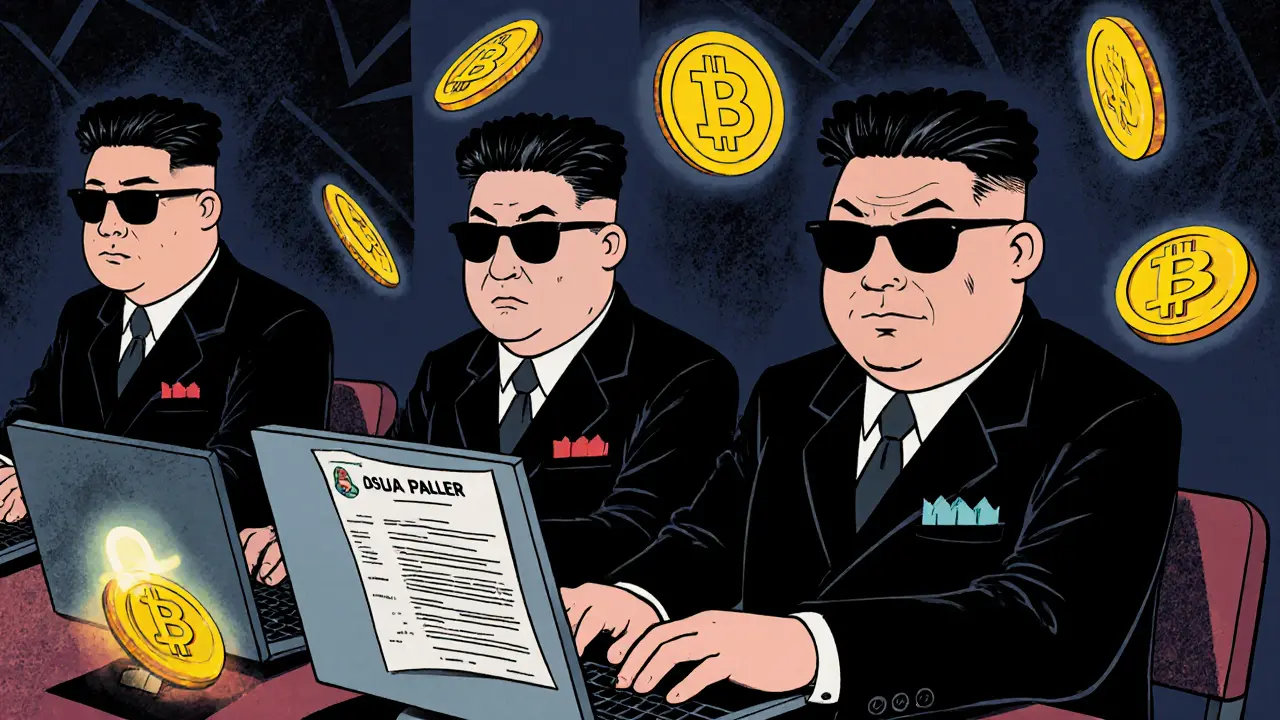
Cryptocurrency Theft: How Scams, Hacks, and Fake Exchanges Steal Your Crypto
When you hear about cryptocurrency theft, the illegal taking of digital assets through hacking, fraud, or deception. Also known as crypto fraud, it’s not just about hackers breaking into wallets—it’s about people being tricked into giving away their keys, signing bad transactions, or trusting platforms that don’t exist. Every year, billions in crypto vanish—not because of weak tech, but because users don’t know how scams work.
Fake crypto exchanges, platforms that look real but are designed to steal deposits. Also known as rug pull exchanges, they often mimic big names like Binance or Coinbase, but have no audits, no team, and no customer support. Look at LocalTrade or Decoin—both claimed to be real exchanges, but had zero transparency. Users lost funds because they trusted a website with no history, no reviews, and no regulation. These aren’t glitches. They’re engineered traps. And they’re everywhere.
Then there’s crypto scams, deceptive schemes that trick users into sending crypto under false pretenses. Also known as phishing attacks, they come as fake airdrops, fake KYC requests, or fake customer service chats. The HappyFans and BABYDB airdrops? Both were completely fake. The LEOS New Year event? A lie. The Metahero airdrop in 2025? No official drop exists—yet scammers are still using the name to steal wallets. These scams work because they copy real projects, use fake logos, and promise free money. But if it sounds too good to be true, it is. Even wallet hacking, when private keys are stolen through malware, phishing, or social engineering. Also known as private key theft, it’s the quiet killer. No one breaks in. You just click a link, download a tool, or enter your seed phrase on a fake site—and your crypto is gone forever.
What ties all these together? Lack of verification. No one checks if an exchange is real. No one confirms if an airdrop is official. No one asks why a token has zero supply, like MARGA. The result? People lose money because they assume safety exists where it doesn’t. The truth is simple: if a platform doesn’t show its team, its audits, or its license, it’s not safe. If a token has no trading volume and no utility, it’s not real. If a project promises free crypto just for connecting your wallet, it’s a trap.
You don’t need to be a tech expert to stay safe. You just need to ask the right questions: Who’s behind this? Where’s the proof? Is this listed on a trusted exchange? Has anyone else lost money here? The posts below show you exactly how theft happens—through unregulated exchanges, dead tokens, fake airdrops, and hidden scams. You’ll see real examples of what to avoid, what to check, and how to spot danger before it’s too late. This isn’t theory. It’s what’s happening right now. And you need to know how to protect yourself before you become the next headline.
OFAC has intensified sanctions against North Korean crypto networks that stole over $2.1 billion in 2025. These state-backed hackers use fake IT jobs to infiltrate U.S. companies and launder crypto into weapons funding.
View More