Crypto Sanctions: What They Are, Who They Target, and How They Impact Your Trades
When you hear crypto sanctions, government actions that block or restrict cryptocurrency transactions involving specific individuals, exchanges, or countries. Also known as crypto asset freezes, these are no longer theoretical—they’re active tools used by the U.S., EU, and other regulators to cut off illicit finance. It’s not just about freezing Bitcoin wallets. It’s about shutting down entire platforms, blacklisting tokens, and forcing exchanges to cut off users before they even know they’re in trouble.
Crypto sanctions tie directly into AML crypto, anti-money laundering rules that require exchanges to monitor and report suspicious behavior. If a wallet sends funds to a sanctioned address—even once—it can trigger a full account freeze. That’s why platforms like Coinbase and Kraken now block users in certain countries, or refuse to support specific tokens. It’s not about distrust—it’s about legal survival. The FATF travel rule, a global standard requiring exchanges to share sender and receiver info for transfers over $1,000 makes this even tighter. No more anonymous swaps. No more privacy coins moving freely. And that’s why you’re seeing Monero and Zcash get delisted from major exchanges.
And it’s not just about criminals. Countries like Vietnam and Nepal have banned crypto outright under old financial laws, while others like Turkey now require multi-million-dollar licenses just to operate. These aren’t random crackdowns—they’re coordinated moves under the same umbrella of suspicious activity report, the formal process exchanges use to flag transactions that match sanctioned patterns. The same SARs that caught drug traffickers now catch people trying to send crypto to a blocked Russian exchange. The system doesn’t care if you’re innocent—it only cares if your transaction looks like one that’s been flagged before.
What does this mean for you? If you’re trading on unregulated platforms like LocalTrade or Decoin, you’re not just risking scams—you’re risking being caught in a sanction sweep. These platforms don’t check names, don’t verify IDs, and don’t report to authorities. That’s exactly why regulators target them. Meanwhile, projects like Metahero or HappyFans that vanish overnight? They’re often the ones that never had compliance in the first place. When sanctions hit, the first thing regulators do is shut down the noise—and the noise includes every shady token, fake airdrop, and ghost exchange.
You won’t find crypto sanctions listed on a public map. But you’ll feel them when your withdrawal gets stuck, when your wallet gets frozen, or when a token you bought disappears from every exchange. This isn’t science fiction. It’s the new reality of digital finance. The posts below show you exactly how this plays out: from the platforms that got shut down, to the tokens that vanished overnight, to the countries that made crypto trading illegal. You’ll see how KYC, SARs, and FATF rules aren’t just paperwork—they’re the walls around your crypto world. And if you don’t know where those walls are, you’re already on the wrong side.
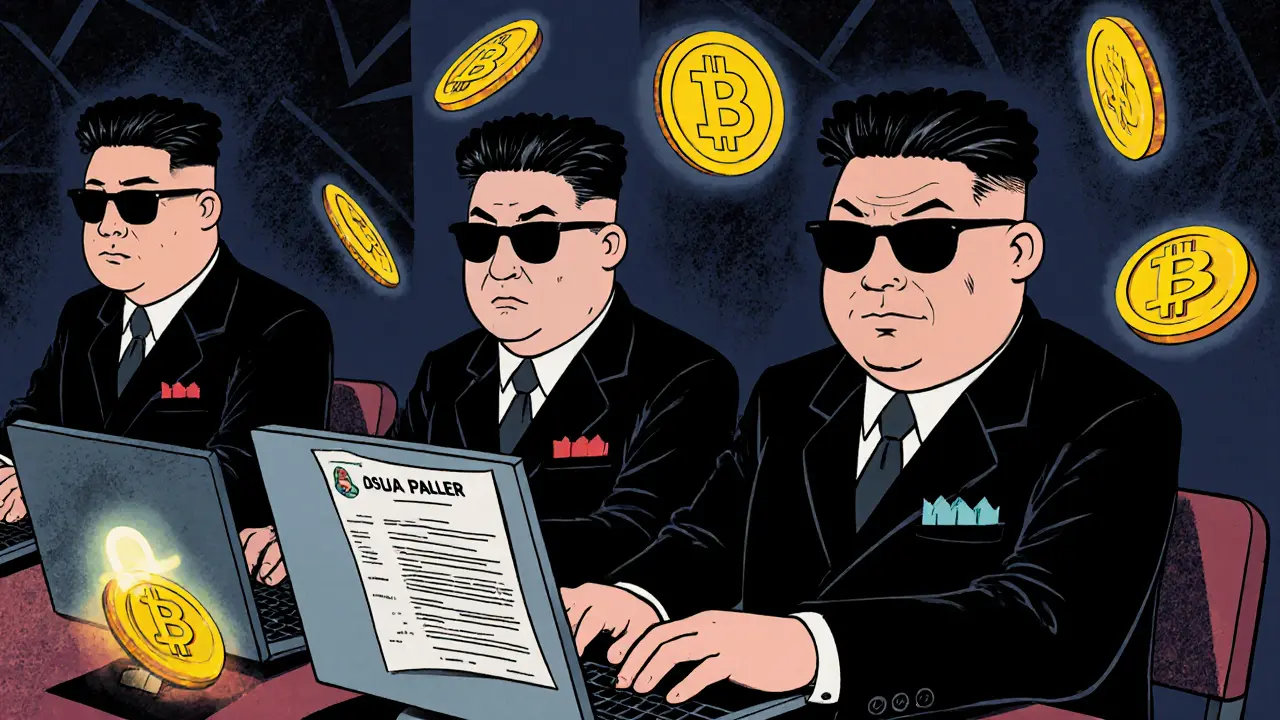
OFAC has intensified sanctions against North Korean crypto networks that stole over $2.1 billion in 2025. These state-backed hackers use fake IT jobs to infiltrate U.S. companies and launder crypto into weapons funding.
View More