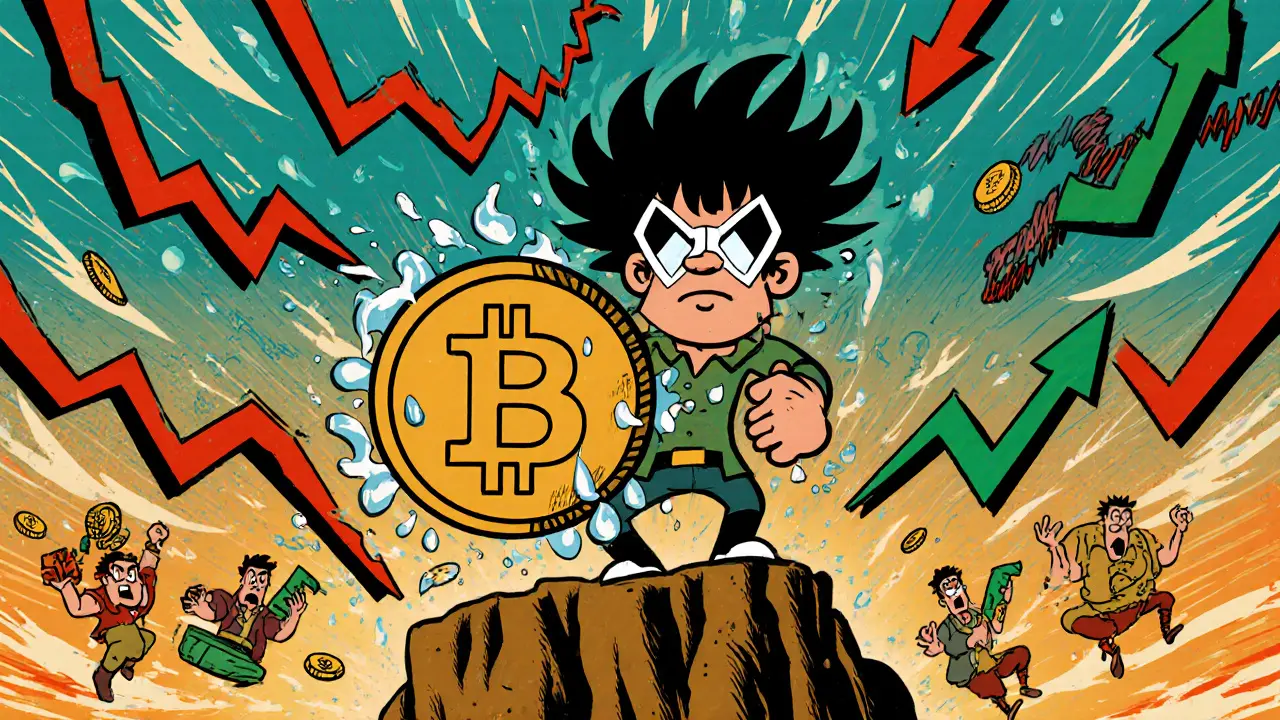
Crypto Risks: What You Need to Know Before Trading
When you jump into crypto risks, the potential for financial loss, fraud, and regulatory penalties in digital asset markets. Also known as digital currency dangers, these risks aren’t theoretical—they’re happening every day to people who skip due diligence. Whether you’re buying a meme coin, staking tokens, or using a new exchange, you’re walking into a landscape where 90% of projects fail, scams are designed to look legitimate, and governments are tightening the screws.
One major crypto scams, fraudulent projects built to trap investors with fake promises and locked tokens. Also known as honeypots, these schemes like PEPE MAGA and Margaritis (MARGA) show up on price trackers but can’t be sold—your money vanishes the moment you buy. Then there’s exchange scams, fake platforms like Satowallet and LocalTrade that promise high returns, vanish with funds, and leave users with no recourse. These aren’t rare outliers—they’re the norm in unregulated corners of the market. And it’s not just fraud. crypto regulation, government rules that can suddenly ban trading, tax every transaction, or force KYC checks. Also known as digital asset laws, these policies are reshaping where and how you can trade—Vietnam now taxes every trade at 0.1%, Nepal jails traders, and Nigeria only allows licensed platforms. Even if you’re doing everything right, you can still lose money to blockchain slashing, automatic penalties when validators on proof-of-stake networks make mistakes. Also known as staking penalties, this isn’t a hack—it’s code enforcing rules, and you can lose thousands without ever clicking a malicious link.
These risks don’t exist in a vacuum. They’re connected. A scammy token might be listed on an unregulated exchange that ignores KYC, which triggers regulatory action that then affects everyone. A failed airdrop like HappyFans or SENSO doesn’t just waste time—it trains scammers on what works. And when a project like Carrieverse or VVS Finance dies, it doesn’t just disappear—it leaves behind wallets full of worthless tokens and confused investors.
You don’t need to avoid crypto to stay safe. You just need to know what to look for: no team? Red flag. No audit? Red flag. Can’t sell your tokens? Huge red flag. A government banning it? Pay attention. A platform promising 40% daily returns? Run. The posts below cover real cases—scams that drained millions, exchanges that vanished, tokens with zero supply, and regulations that changed lives overnight. These aren’t warnings from experts. These are real stories from people who lost money because they didn’t ask the right questions. Read them. Learn from them. Then decide where to go next.
HODLing crypto means holding through market crashes for long-term gains. Learn the real benefits-tax deferral, staking rewards, and psychological peace-and the hidden risks like lost keys, regulatory bans, and total coin collapse.
View More