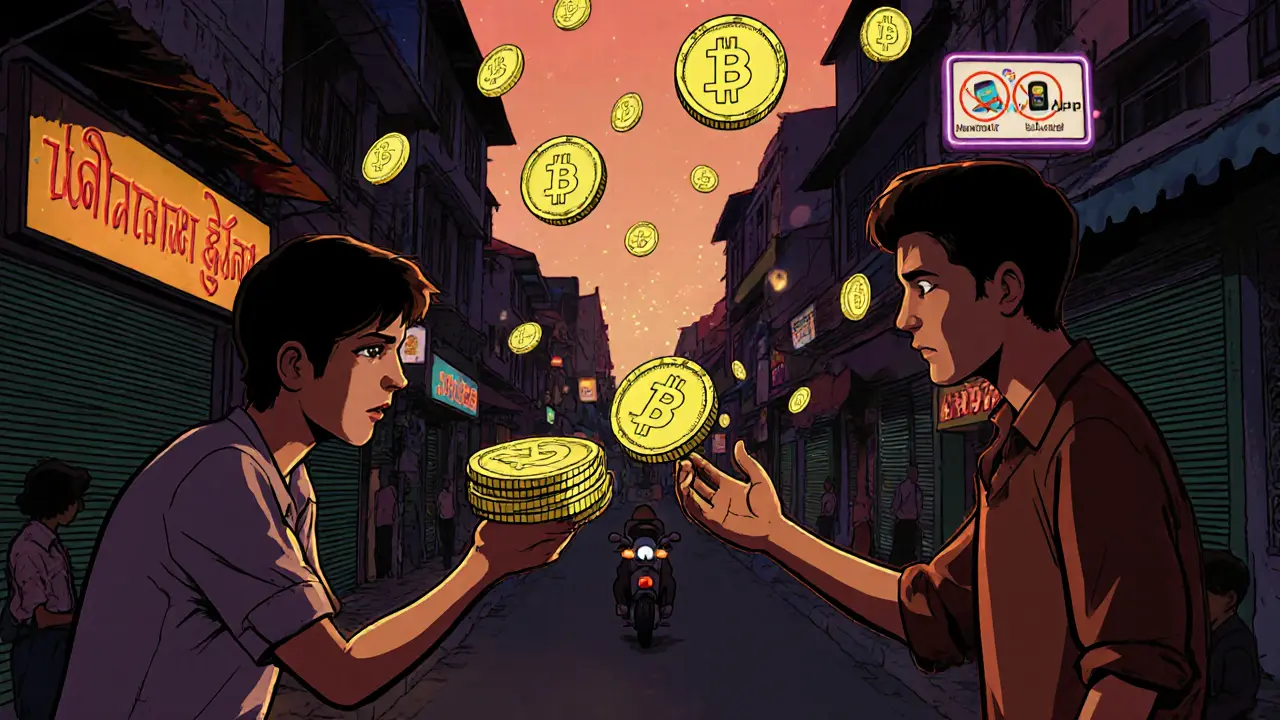
Crypto in Southeast Asia: Regulations, Trends, and Real-World Risks
When you talk about crypto in Southeast Asia, a fast-moving, fragmented market where public adoption outpaces regulation. Also known as digital currency use in ASEAN, it’s a region where millions trade Bitcoin on their phones while governments scramble to catch up. Unlike the U.S. or Europe, there’s no single rulebook here. Some countries like Vietnam have cracked down with billion-dollar capital requirements, while others quietly let crypto thrive underground.
Vietnam crypto regulation, a mix of legal ambiguity and extreme restrictions. Also known as cryptocurrency law in Vietnam, it’s one of the toughest in the region: only five licensed exchanges are allowed, all trades must be in Vietnamese dong, and stablecoins are banned outright. Despite this, crypto adoption is sky-high — people use it for remittances, peer-to-peer trades, and even to bypass banking limits. Meanwhile, KYC crypto, the mandatory identity checks forced on users by exchanges. Also known as crypto identity verification, it’s now unavoidable in 2025. Even unregulated platforms like LocalTrade or Decoin demand documents, not because they’re trustworthy, but because they’re trying to look legit to avoid being shut down. The result? A messy landscape where real users face scams, fake airdrops like BABYDB or LEOS, and projects with zero supply like MARGA — all hiding behind the buzz of "crypto in Southeast Asia."
What you’ll find in these posts isn’t theory. It’s real cases: a $10 million airdrop that vanished, an exchange with $379 million capital rules but zero applicants, and a DeFi tool that works because it doesn’t rely on hype. This isn’t about getting rich quick. It’s about understanding who’s playing by the rules, who’s faking it, and where the real risks — and opportunities — lie in a region where crypto moves faster than the law can keep up.
Despite a total government ban, Myanmar's underground crypto market thrives through peer-to-peer trading, cash dealers, and encrypted apps. People use crypto to survive, send remittances, and resist oppression.
View More