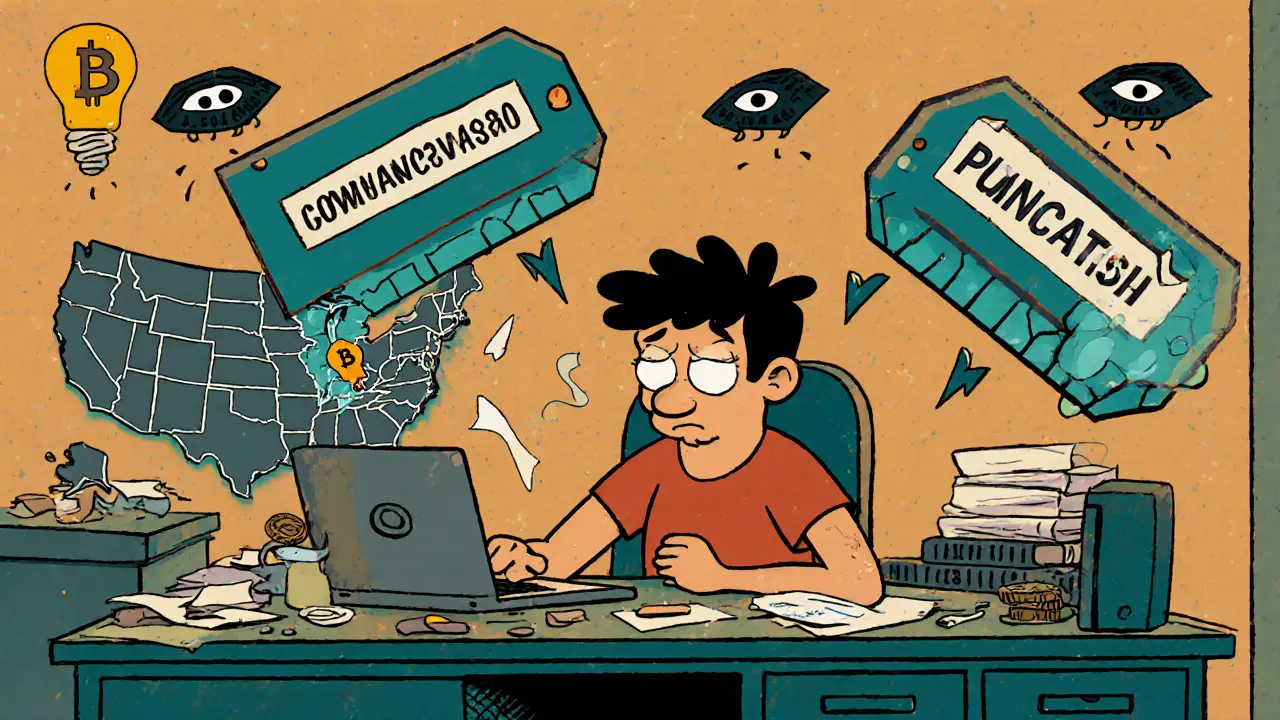
Crypto Anonymity: Can You Really Stay Private in Blockchain?
When people talk about crypto anonymity, the ability to conduct blockchain transactions without revealing personal identity. Also known as financial privacy, it was one of the original promises of Bitcoin — a system where you could send money without asking for permission or showing your ID. But that dream is crumbling. Today, most major exchanges require KYC, identity verification processes that link your real name to your crypto wallet. Governments, from the U.S. to Vietnam, now demand that platforms collect your passport, selfie, and even proof of address. If you want to trade on Coinbase, Kraken, or Binance, you’re not anonymous — you’re documented.
That’s why privacy coins, cryptocurrencies built to hide transaction details like sender, receiver, and amount like Monero and Zcash are getting kicked off exchanges. Regulators call them tools for money laundering. The FATF travel rule, a global standard requiring exchanges to share user data above $1,000 makes it impossible for privacy-focused projects to comply. Even zk-SNARKs, a type of zero-knowledge proof that lets you prove a transaction is valid without revealing any details — the tech behind Zcash and some Ethereum upgrades — are under pressure. They’re not broken. They’re just too powerful for regulators to ignore.
So what’s left? If you want real anonymity, you can’t rely on centralized exchanges. You need to use decentralized tools — DEXs like VoltSwap that don’t ask for your ID, or privacy-focused sidechains like the Liquid Network that enable confidential Bitcoin transactions. But even those have risks. Fake airdrops, scam DEXs like LocalTrade, and dead tokens with zero supply are everywhere. If you’re chasing anonymity, you’re also chasing danger. The truth? Crypto anonymity isn’t dead — it’s harder, riskier, and only for those who know exactly what they’re doing.
Below, you’ll find real reviews of platforms that claim to offer privacy, breakdowns of the tech that still works, and warnings about the scams pretending to protect you. No fluff. Just what’s actually happening in the shadows of blockchain today.
Most crypto users think they're anonymous, but their IP address can reveal their location and link transactions to their identity. Learn how tracking works, what actually protects privacy, and why most tools fail.
View More