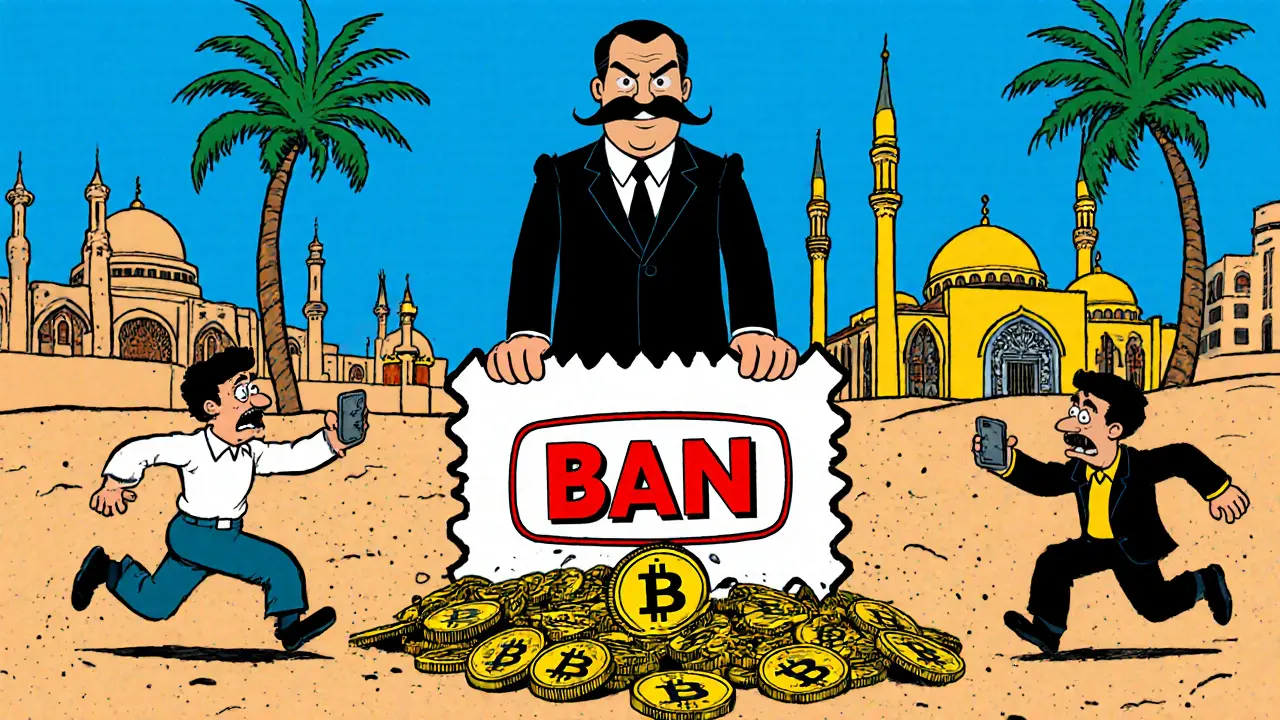
Central Bank of Egypt crypto ban: What it means for users and traders
When the Central Bank of Egypt, the official monetary authority responsible for regulating currency and financial institutions in Egypt issued its 2020 directive banning cryptocurrency transactions, it didn’t shut down trading—it just pushed it underground. The ban, rooted in fears over financial stability and money laundering, made it illegal for banks and financial institutions to process crypto payments or hold digital assets. But while the rule was clear on paper, millions of Egyptians kept trading anyway—using peer-to-peer platforms, foreign exchanges, and even cash-based deals. This isn’t about technology being too risky; it’s about people finding ways to protect their savings in a country where inflation has eaten away nearly 40% of the pound’s value since 2022.
The crypto legality Egypt, the legal status of digital assets under Egyptian law, which remains strictly prohibited for institutional use hasn’t changed since 2020. No licensed exchange operates in Egypt. No bank offers crypto wallets. No fintech app can legally link to a local bank account for buying Bitcoin or Ethereum. Yet, platforms like LocalTrade and others still appear in search results—often as scams targeting desperate users who think they’re getting access to a regulated service. Meanwhile, the Egypt crypto regulation, the lack of formal framework beyond the Central Bank’s blanket ban, leaving users without legal recourse means if you lose money on a fake exchange, there’s no authority to complain to. The same goes for airdrops, IDOs, or DeFi projects that promise returns—none are monitored, none are protected, and none are legal.
What’s surprising isn’t that people trade crypto in Egypt—it’s that they’ve built a whole parallel economy around it. Cash meetups in Cairo cafes, Telegram groups coordinating P2P trades, and even crypto-based remittances bypassing traditional wire services. Some use it to send money to family abroad. Others use it to hedge against currency collapse. And while the Central Bank of Egypt continues to warn the public, it hasn’t cracked down on individuals—only institutions. That gap is why so many of the posts in this collection focus on scams, dead tokens, and unregulated platforms. You won’t find a guide here on how to legally buy crypto in Egypt because there isn’t one. But you will find warnings about fake exchanges, zero-supply coins, and airdrop traps that prey on people trying to escape economic hardship.
If you’re in Egypt and thinking about crypto, the real question isn’t whether it’s allowed—it’s whether you’re prepared to trade without any safety net. The Central Bank of Egypt crypto ban isn’t a barrier to access; it’s a warning label. The tools and platforms you’ll find in this collection aren’t recommendations—they’re cautionary tales. Each post exposes a different way people get burned when regulation is absent and desperation is high. Whether it’s a token with zero supply, a fake airdrop, or a trading platform with no track record, the pattern is the same: no oversight, no accountability, no recovery. What follows isn’t a list of opportunities. It’s a map of pitfalls. And if you’re navigating this space, you need to know every turn before you take it.
Egypt bans all cryptocurrency trading under Law No. 194/2020, enforced by the Central Bank of Egypt. While crypto is illegal, blockchain tech is being used for customs, land records, and a future digital pound.
View More