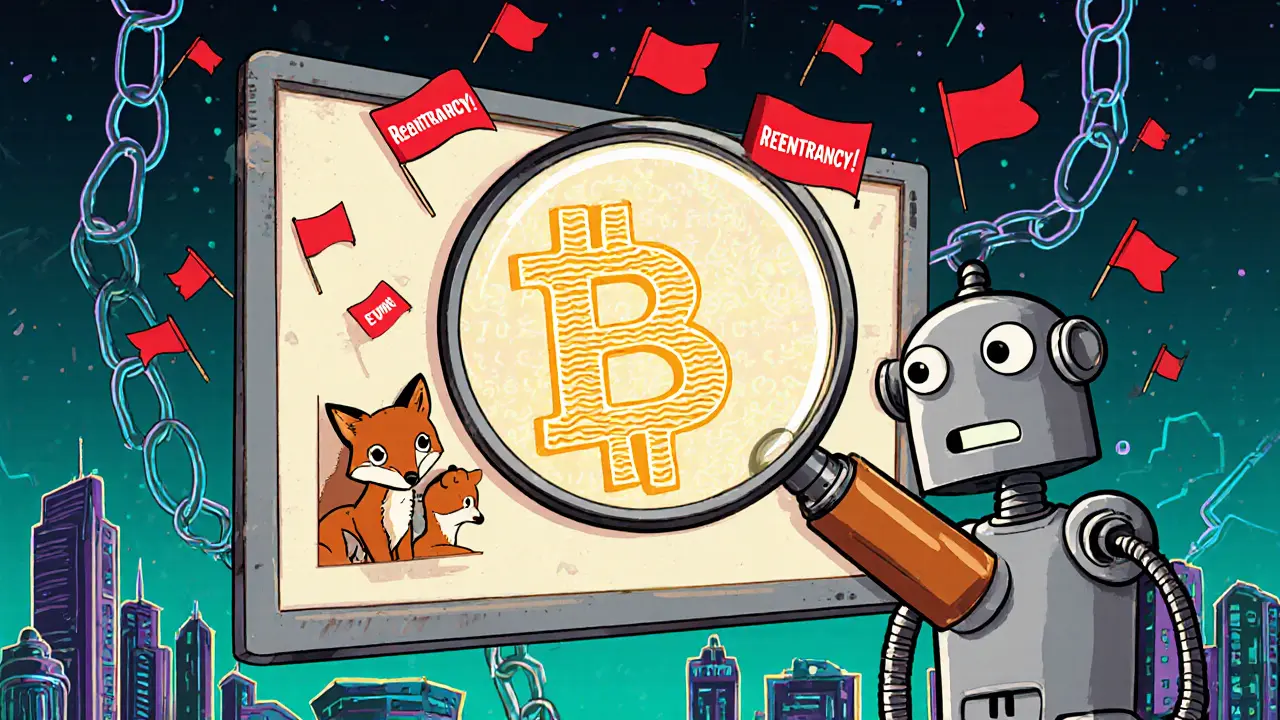
Blockchain Security Audit: What It Is and Why It Keeps Your Crypto Safe
When you interact with a blockchain security audit, a detailed examination of code and infrastructure to find vulnerabilities before they’re exploited. Also known as smart contract audit, it’s the digital equivalent of inspecting the locks on your safe before you store your cash inside. Without it, you’re trusting code written by strangers—code that could be rigged to drain your wallet the moment you connect it.
Most crypto scams don’t come from hackers breaking in. They come from poorly built protocols that never got audited. Look at the projects that vanished overnight—LocalTrade, Decoin, Carrieverse—they all skipped the audit. Meanwhile, platforms like VoltSwap and AlphBanX highlight their audits because they know users won’t touch anything without proof of safety. A smart contract audit, a line-by-line review of the code that runs decentralized apps checks for logic errors, reentrancy bugs, and backdoors. A crypto exchange security, the set of measures protecting user funds on trading platforms goes further—it tests how well the exchange stores keys, handles withdrawals, and blocks insider threats. These aren’t optional extras. They’re the bare minimum.
Even if a project claims to be "decentralized" or "community-run," if it won’t show you an audit report from a reputable firm like CertiK, Trail of Bits, or PeckShield, walk away. Real audits aren’t marketing fluff—they’re public PDFs with timestamps, findings, and remediation steps. Some projects fake them. Others pay for a quick check and call it done. True audits take weeks, involve multiple teams, and often reveal critical flaws that get fixed before launch. The DeFi security, the practice of protecting automated financial protocols from exploits and manipulation landscape is full of traps. A single overlooked line of code can let a bot steal millions. That’s why the best traders don’t just look at price charts—they check the audit status first.
You’ll find posts here that expose exchanges with zero security, tokens with no team and no audit, and airdrops designed to steal your private keys. You’ll also see examples of platforms that took the right steps—like VoltSwap’s front-running resistance or AlphBanX’s transparent lending logic. This collection isn’t just about warning you about danger. It’s about teaching you how to spot safety before you invest. Whether you’re trading, staking, or just holding, knowing what a real blockchain security audit looks like could save you from losing everything.
Automated and manual security auditing both play critical roles in blockchain security. Automated tools catch code flaws fast, but humans spot logic risks machines miss. The smartest teams use both.
View More