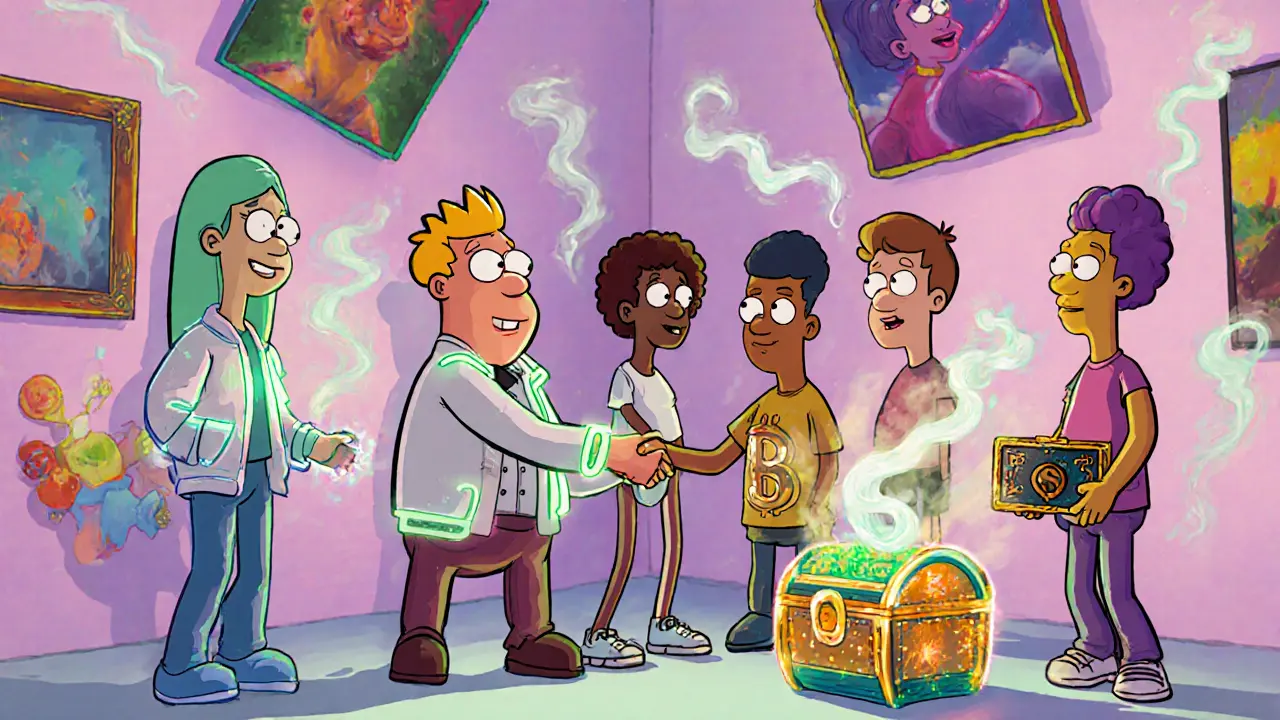
Blockchain Metaverse: What It Is, How It Works, and Why Most Projects Fail
When people talk about the blockchain metaverse, a digital universe where ownership is tracked on a public ledger using cryptocurrency and NFTs. Also known as decentralized metaverse, it's not just VR headsets and avatars—it's about real digital property you can buy, sell, and earn from without a company controlling it. Unlike early metaverse ideas from 2020 that were all hype and no utility, the real ones tie your digital assets to blockchain technology so they’re yours, not a platform’s.
The NFT metaverse, a version of virtual worlds where every item—from land to clothing—is a non-fungible token. Also known as tokenized virtual space, it lets you own digital real estate that can appreciate or generate income. Think of it like buying a plot of land in a video game, but instead of the game deleting it when servers shut down, your land stays on the blockchain forever. That’s why projects like Carrieverse (CVTX), a metaverse project that promised life-logging on Polygon but collapsed with zero updates and a 99.98% price drop failed—they had no real economy, no users, and no reason to stay alive. Meanwhile, successful ones give you tools to build, trade, or earn. NFT royalties, for example, let artists earn every time their virtual clothing is resold. That’s real value, not just pixels.
But here’s the catch: most blockchain metaverse projects are dead on arrival. You’ll find dozens of tokens like HERO or CVTX that look active on price charts but have no team, no updates, and no way to use them. The ones that stick around? They solve actual problems. Like letting you rent virtual land to host events, or letting creators sell digital fashion that works across platforms. And they’re not built on hype—they’re built on real users trading, building, and spending. If you’re looking to get into this space, don’t chase the next big airdrop. Look for projects with actual usage, open-source code, and people who are already living in them.
What you’ll find below are real stories—not marketing fluff. From abandoned metaverse coins with zero supply to platforms that actually let you earn, we’ve dug into what’s real, what’s fake, and what you should avoid. No sugarcoating. Just facts.
The blockchain metaverse transforms online social interaction by letting users own their avatars, earn crypto through virtual activities, and connect in persistent 3D spaces - without corporate control or ads.
View More