BEP-20 Token: What It Is, How It Works, and Where It's Used
When you trade a token on BEP-20 token, a standard for creating tokens on the Binance Smart Chain that lets developers build decentralized apps with low fees and quick confirmations. Also known as BSC token, it's the go-to choice for DeFi projects that need speed and affordability without sacrificing compatibility. Unlike Ethereum’s ERC-20, which often costs dollars in gas fees, BEP-20 tokens run on a blockchain built for efficiency—making them ideal for everyday trading, staking, and swapping.
BEP-20 tokens aren’t just cheaper—they’re also more accessible. Many new projects skip Ethereum entirely and launch directly on Binance Smart Chain because it’s easier to get liquidity, attract users, and avoid network congestion. You’ll find BEP-20 tokens powering everything from meme coins like TEMA to lending platforms like ABX, and even privacy-focused tools like VoltSwap. These tokens work with wallets like MetaMask and Trust Wallet, and they’re supported by most major DEXs, including those you’ll see in our posts—like VoltSwap and LocalTrade (though be careful, not all are safe).
The real difference shows up in how fast transactions clear and how little you pay. While ERC-20 tokens can sit for minutes during peak times, BEP-20 tokens often confirm in under 3 seconds. That’s why so many airdrops and IDOs—like the one for HAPPY or the one rumored for HERO—use BEP-20. It’s not magic, just smart design. But it’s not without risks. Some projects, like MARGA or CVTX, use BEP-20 to appear legitimate while having zero real utility. That’s why knowing the difference between a working token and a dead one matters more than ever.
Behind every BEP-20 token is a blockchain called Binance Smart Chain, or BSC. It’s a parallel network to Binance Chain, built to handle smart contracts—something the original Binance Chain couldn’t do. BSC runs on Proof of Staked Authority, which means it’s faster and more energy-efficient than Bitcoin or Ethereum’s old system. It’s also fully compatible with Ethereum tools, so developers don’t need to relearn everything. That’s why you’ll see BEP-20 tokens listed alongside ERC-20 tokens on price trackers, and why so many guides here talk about wrapping crypto or using DeFi assistants like Hey Anon—all of which can interact with BEP-20 assets.
Regulation is catching up, though. As KYC requirements tighten and privacy coins get delisted, BEP-20 tokens are becoming the default for compliant, high-volume trading. Even exchanges like Kraken and Coinbase now list BEP-20 versions of popular coins because users demand lower fees. But with that popularity comes fraud—fake airdrops like BABYDB or LEOS try to trick you into giving away your private keys. That’s why understanding the basics of BEP-20 isn’t just useful—it’s protective.
Below, you’ll find real-world examples of BEP-20 tokens in action: some successful, some abandoned, some outright scams. We cover what to look for, what to avoid, and how to spot the difference between a project with real tech and one with just a whitepaper and hype. Whether you’re trading, staking, or just trying to avoid losing money, this collection gives you the facts you need—no fluff, no promises, just what’s actually happening.
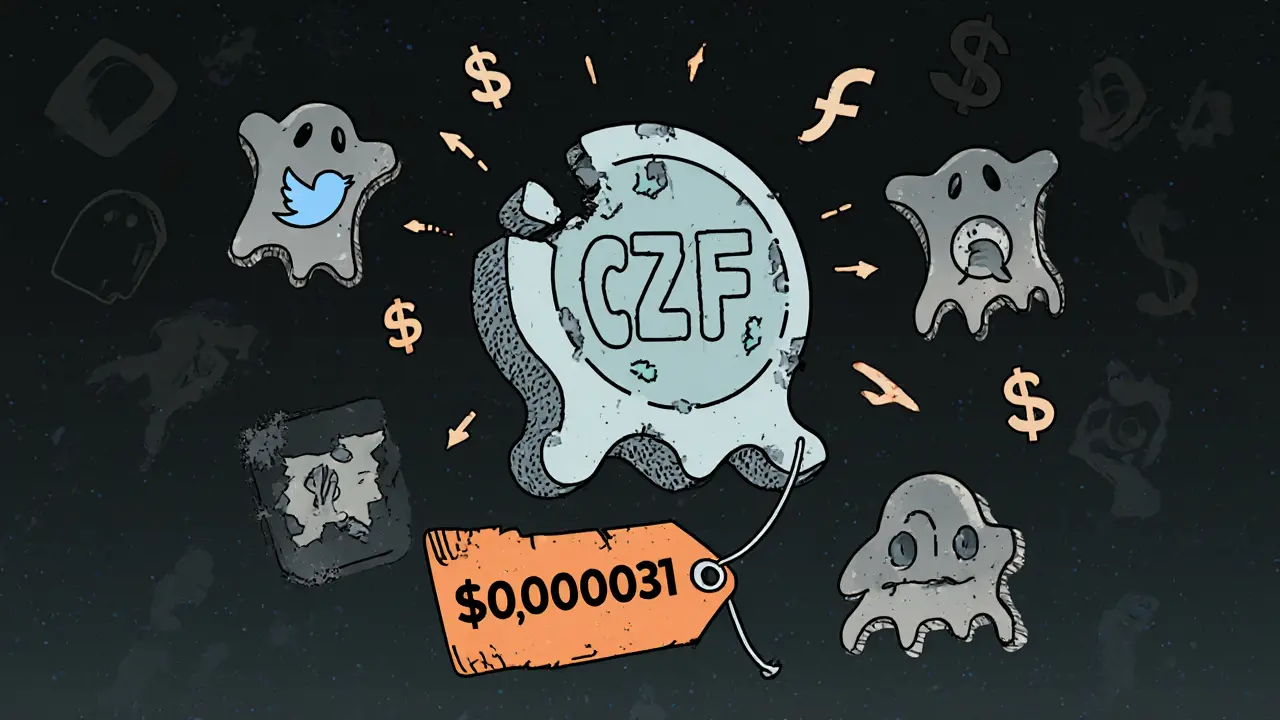
CZodiac Farming Token (CZF) is a dead crypto project with a market cap of just $16.11 and a price so low that transaction fees exceed its value. No team, no updates, no community - just a ghost token.
View More