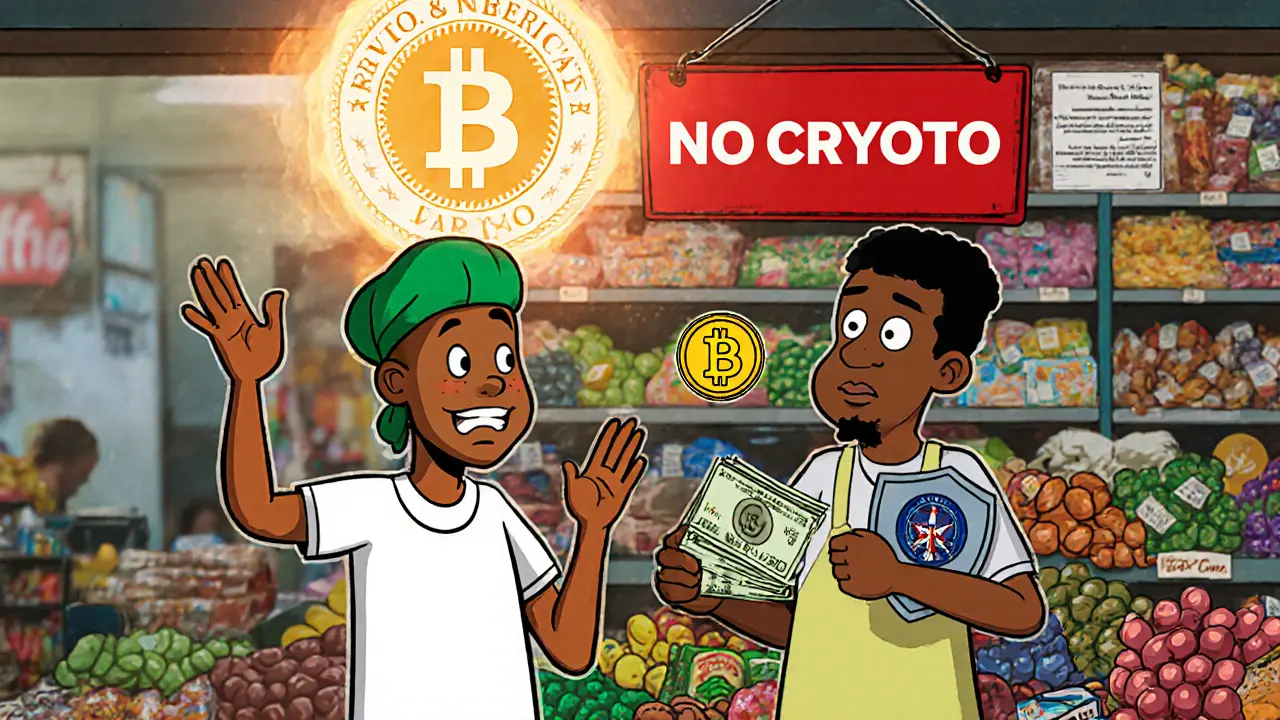
Accept Cryptocurrency Nigeria: How to Get Paid in Crypto and Avoid Scams
When you accept cryptocurrency Nigeria, the act of receiving digital currency like Bitcoin or USDT as payment for goods or services within Nigeria. Also known as crypto payments Nigeria, it lets you bypass slow bank transfers and high fees—but only if you know where to draw the line between real tools and fake platforms. Many Nigerian sellers, freelancers, and small shops are turning to crypto because traditional banking is unreliable. But while the idea is simple, the execution is full of traps.
There’s no national law banning crypto in Nigeria, but the Central Bank has made it clear banks can’t support crypto transactions. That means you can’t use local banks to cash out crypto easily. Instead, people rely on peer-to-peer (P2P) platforms like Paxful, Binance P2P, or local Telegram groups. These let you trade crypto for Naira directly with other users. But here’s the catch: crypto wallet Nigeria, a digital tool that stores your crypto securely and lets you send or receive payments. Also known as crypto wallet, it’s your first line of defense. If you use a sketchy wallet or one that doesn’t let you control your private keys, you’re just giving your money to someone else. Always use non-custodial wallets like Trust Wallet or MetaMask. Never trust an exchange that holds your crypto for you unless it’s a well-known global platform.
And don’t fall for fake payment processors that claim to help you accept cryptocurrency Nigeria, automatically convert crypto to Naira and deposit it into your bank account. Also known as crypto payment gateway Nigeria, these are often scams. Platforms like Satowallet and LocalTrade promised easy crypto-to-Naira conversion but vanished with users’ funds. Real tools don’t promise instant cashouts with no fees. They give you control, transparency, and clear records. If it sounds too good to be true, it is.
People in Nigeria use crypto for everything—from paying for web design services to buying groceries. But the real winners are those who treat crypto like cash: keep it safe, track every transaction, and never rush a deal. You’ll find real guides below on how to set up a secure wallet, verify buyers on P2P platforms, and spot the red flags in fake crypto payment apps. No fluff. No hype. Just what works—and what gets people robbed.
In 2025, Nigerian businesses can't legally accept crypto as direct payment. Only SEC-licensed VASPs can handle crypto transactions. Learn how to use approved platforms to accept crypto payments safely and legally.
View More