
Have you ever tried to trade Bitcoin from a small town in Arizona and felt like the big global exchanges were speaking a different language? Now imagine trying to do that in Hanoi or Ho Chi Minh City. That’s where Nami Exchange comes in. It is a cryptocurrency trading platform built specifically for the Vietnamese market by the Nami Foundation. If you’re looking at this review, you’re probably wondering if it’s safe, if it works well outside of Vietnam, or if its security rating is actually as scary as some websites say.
Here’s the quick truth before we get into the details: Nami is a solid choice if you live in Southeast Asia and want local support. But if you’re in the US or Europe, you might find the interface clunky and the security scores concerning. Let’s break down exactly what you’re getting your money into.
The Good, The Bad, and The D-Rating
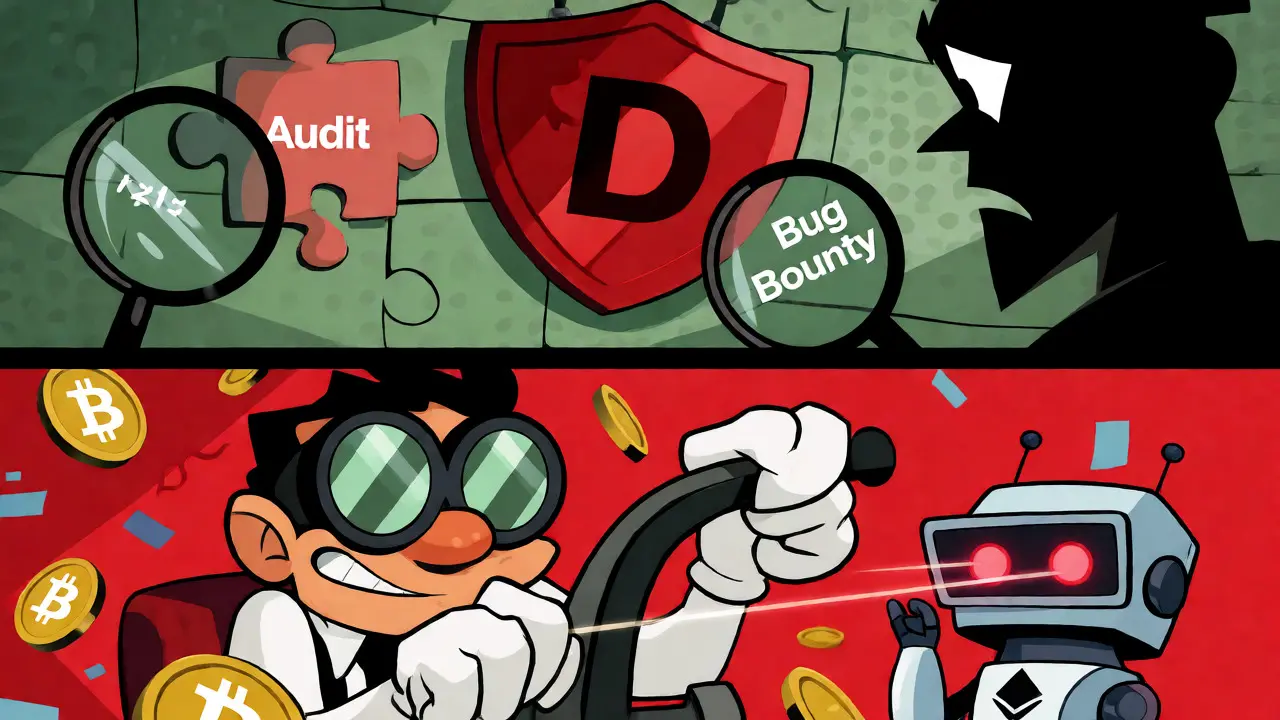
Let’s address the elephant in the room immediately. If you look up Nami on Cer.live, you’ll see a security grade of "D" with a score around 20%. Yikes, right? Does that mean they’ll lose all your coins tomorrow?
Not necessarily, but it does mean something important: Nami hasn’t published an approved penetration test or an active bug bounty program. In the crypto world, top-tier exchanges like Binance or Coinbase pay hackers millions to find bugs before bad actors do. Nami doesn’t have that public proof yet. However, don’t ignore the other side of the coin. They partnered with Chainalysis, the same compliance giant used by governments and major banks, to monitor transactions. This suggests they are serious about stopping money laundering, even if their technical security transparency lags behind.
So, who is this for? If you prioritize regulatory compliance and local banking links over having the absolute highest technical security badge, Nami makes sense. If you’re a whale moving millions and need every possible security audit visible, you might want to stick to the global giants.
Trading Features: Spot and Futures
Nami isn’t just a place to buy Bitcoin and hold it forever. It offers both Spot Trading and Futures Trading. With nearly 1,000 trading pairs, the selection is decent, though not quite as vast as the top three global exchanges. You can trade major assets like BTC, ETH, and USDT against various fiat currencies, primarily the Vietnamese Dong (VND).
The standout feature here is leverage. Nami allows up to x125 leverage on futures contracts. For those new to crypto, leverage means borrowing money to trade bigger positions. It amplifies gains, but it also amplifies losses. One wrong move with x125 leverage, and your account gets liquidated instantly. Because of this high-risk feature, Nami’s interface includes specific risk management tools, but beginners should tread carefully.
- Asset Variety: Supports over 900 pairs, focusing heavily on tokens popular in Asia.
- Leverage Options: Up to x125x for experienced traders comfortable with volatility.
- Order Types: Standard limit, market, and stop-loss orders are available.
The KYC Process: No Shortcuts
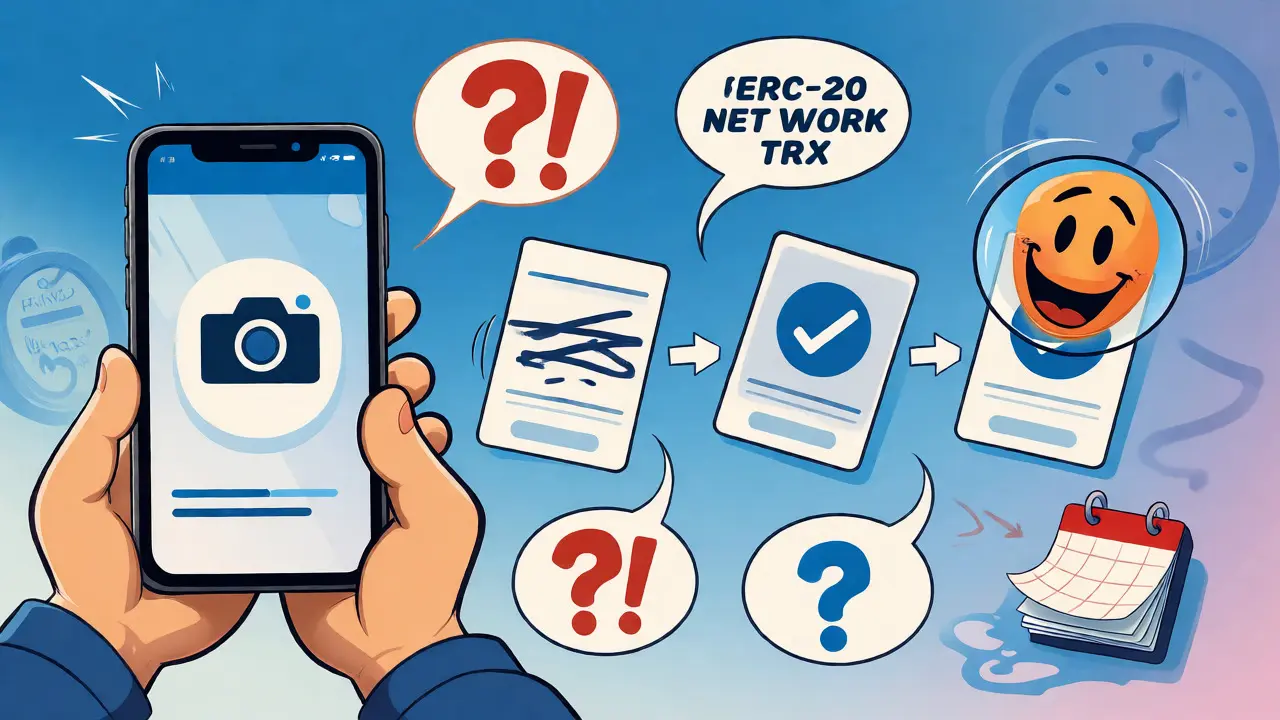
You cannot use Nami anonymously. Full access requires completing a Know Your Customer (KYC) verification. As of late 2024, Nami updated this process to make it slightly smoother. Previously, you had to hold your ID card up to the camera during a video selfie. Now, you only need to record a facial verification video without displaying the physical document in the frame, provided you’ve already uploaded clear photos of your ID.
Here is the step-by-step reality of getting verified:
- Log into the mobile app (verification is often restricted to mobile).
- Select "Account" and then "Unverified" to start.
- Fill in personal details accurately.
- Add a payment method.
- Upload your ID (Passport or National ID). Make sure all four corners are visible.
- Record the facial verification video.
Users report that this process can take anywhere from a few hours to two days. If you’re in a rush to catch a market dip, this delay could cost you. Plan ahead.
| Feature | Nami Exchange | Binance | Coinbase |
|---|---|---|---|
| Primary Market | Vietnam & SEA | Global | US & Global |
| Security Rating (Cer.live) | D (20%) | A/B+ Range | A/B+ Range |
| Fiat Support | VND, USD | Multi-currency | USD, EUR, GBP |
| KYC Required | Mandatory | Mandatory | Mandatory |
| Support Language | Vietnamese, English | Multi-language | English primary |
Fees and Withdrawals
Everyone hates fees, but they’re necessary. Nami’s fee structure is competitive within the Asian market but might feel higher compared to volume-discounted tiers on larger platforms. Generally, maker fees (when you place a limit order) are lower than taker fees (when you buy/sell immediately at market price).
Withdrawal fees depend on the blockchain network you choose. Withdrawing Ethereum via ERC-20 will cost more than withdrawing TRON (TRX) or Binance Smart Chain (BEP-20). Always check the current withdrawal fee on the screen before confirming. A common pitfall for new users is sending funds to the wrong network. If you send BTC to an ETH address, your money is gone. Nami’s interface highlights these networks, but read twice, click once.
User Experience and Mobile App
Nami offers apps for iOS and Android. The design is functional rather than flashy. It loads charts quickly and keeps the order book visible. For traders who stare at screens all day, clarity matters more than pretty animations.
One notable advantage is the localization. If you speak Vietnamese, the support team is responsive 24/7 via live chat. For English speakers, support exists but may have slower response times due to time zone differences and resource allocation focused on the local market. Community engagement happens mostly on Telegram, with separate groups for Vietnamese and international users. Don’t expect a bustling Reddit community; this platform flies under the radar in Western markets.
Who Should Use Nami Exchange?
If you live in Vietnam or frequently travel through Southeast Asia, Nami is a strong contender. The VND integration simplifies moving money between your bank and your crypto wallet. The Chainalysis partnership adds a layer of trust regarding legal compliance, which is crucial in regions with evolving crypto regulations.
However, if you are based in the United States, Canada, or Western Europe, Nami might not be your best bet. The lack of a high security certification, limited fiat options outside of VND, and smaller liquidity pools mean you could face slippage on large trades. Stick to the majors unless you have a specific reason to be here.
Is Nami Exchange safe to use?
Nami Exchange uses SSL encryption and partners with Chainalysis for transaction monitoring, which helps prevent fraud. However, independent security auditors like Cer.live have given it a low "D" rating due to the lack of public penetration testing. While no major hacks have been reported recently, the lower security score suggests caution for holding very large amounts long-term.
Does Nami Exchange require KYC?
Yes, full KYC verification is mandatory to withdraw funds and access most trading features. The process involves uploading identification documents and recording a facial verification video via the mobile app.
Can I use Nami Exchange in the USA?
While technically accessible, Nami is optimized for the Vietnamese market. US users may face issues with fiat deposits/withdrawals and customer support response times. Major US-regulated exchanges are generally more convenient for American traders.
What cryptocurrencies can I trade on Nami?
Nami supports nearly 1,000 trading pairs, including major coins like Bitcoin (BTC), Ethereum (ETH), and Tether (USDT), along with many altcoins popular in Asian markets.
How long does Nami KYC take?
Verification typically takes between a few hours and 48 hours. Delays can occur if your uploaded documents are blurry or if there is a high volume of applications.