
You clicked on this because you’re staring at your screen, wondering if Bitwired is the next big thing in cryptocurrency trading or just another platform that’s going to swallow your savings whole. Here’s the brutal truth right off the bat: when you dig into the official regulatory databases and reputable financial records, Bitwired doesn’t show up where it should. That silence is loud. If you are considering depositing real money here, you need to understand why the lack of footprint matters more than any flashy landing page.
The Visibility Problem
In the crypto world, visibility equals trust. Major exchanges like Coinbase, Binance, or even older players like Bitstamp have massive digital footprints. They appear in news cycles, regulatory filings, and user forums constantly. Bitwired? It’s ghostly quiet. When researchers scan for legitimate exchange listings, they find established names with years of operational history. Bitwired isn’t on those lists. This isn’t just about marketing; it’s about accountability. If a platform has been operating for years, there should be a trail of breadcrumbs-user reviews, technical articles, regulatory warnings, or partnership announcements. The absence of these signals suggests one of two things: either it’s brand new (and thus unproven) or it’s operating in the shadows to avoid scrutiny.
Regulatory Red Flags
Crypto regulation is messy, but it’s not invisible. In the United States, states like New York enforce strict rules via the New York State Department of Financial Services (NYDFS). They require virtual currency businesses to hold a BitLicense. This license mandates minimum capitalization and surety bonds of at least $500,000 to protect customers. Does Bitwired hold a BitLicense? A quick search of the NYDFS registry yields no results. Neither do searches for registrations with other major global bodies like the UK’s FCA or Australia’s ASIC. Without these licenses, who protects you if the exchange goes bankrupt? Who audits their reserves? If you send Bitcoin to Bitwired, you are trusting an entity that hasn’t proven it meets basic legal standards for handling public funds.
| Feature | Bitwired | Regulated Exchange (e.g., Bitstamp) |
|---|---|---|
| Regulatory License | Not found in major registries | BitLicense, MiFID II, or equivalent |
| Operational History | Unclear/Limited data | 10+ years of public record |
| User Reviews | Scarce or unverifiable | Thousands of verified reviews |
| Audits | No public proof of reserves | Regular third-party audits |
The Scam Database Check
Platforms like DataVisor and various consumer protection agencies maintain lists of known fraudulent crypto sites. These lists include dozens of platforms reported for stealing funds, refusing withdrawals, or using fake customer support bots. While Bitwired might not yet be on the "most notorious" lists simply due to low traffic, its profile matches several warning signs common in newer scam operations. These signs include aggressive social media advertising, promises of high returns with little risk, and vague information about the team behind the company. If you can’t find the founders’ names on LinkedIn or verify their past experience in finance, treat the platform with extreme skepticism.
User Experience and Withdrawal Risks
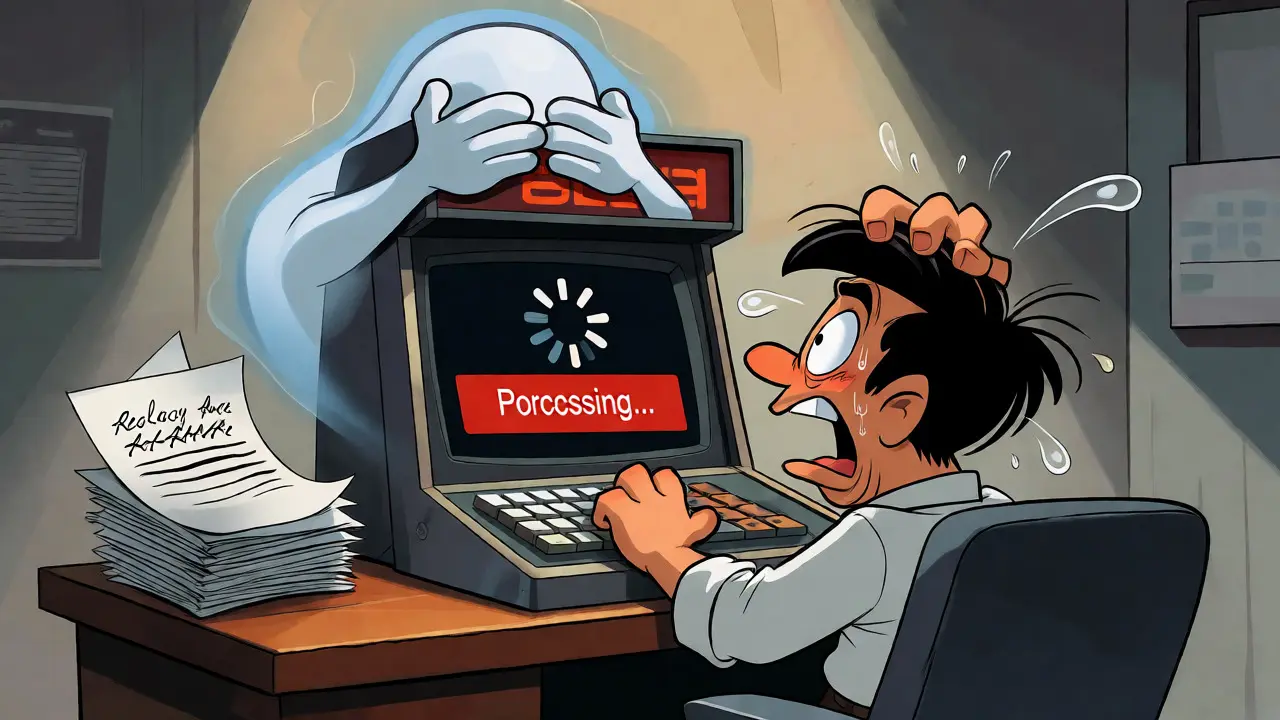
Let’s say you ignore the red flags and sign up. What happens next? Usually, these lesser-known exchanges offer a smooth interface to get you comfortable. You deposit fiat currency or crypto, and you see your balance grow. But the real test comes when you try to withdraw. Many users report issues with "verification loops"-where the exchange asks for endless documents before releasing funds-or sudden fees that eat up profits. With an unregulated entity like Bitwired, there is no ombudsman to call. If support stops replying, your money is effectively gone. There is no chargeback mechanism for crypto transfers once they are confirmed on the blockchain.
Why Do People Still Use Unverified Exchanges?
So why does Bitwired exist? Often, these platforms target beginners who don’t know better. They might offer lower fees initially or list obscure altcoins that aren’t available on major exchanges. Sometimes, they use sophisticated marketing to look like a fintech startup rather than a risky gamble. For experienced traders, the risk-reward ratio rarely makes sense. The potential profit from saving a few cents on trading fees doesn’t outweigh the risk of losing 100% of your principal. Stick to exchanges that have survived multiple market crashes. Survival is the best indicator of reliability.

How to Verify Any Crypto Exchange
Before you put a single dollar into Bitwired or any unknown platform, run through this checklist. It takes ten minutes and could save you thousands.
- Check Regulatory Licenses: Search the name on the SEC EDGAR database, NYDFS website, or FCA register. No license? Walk away.
- Look for Third-Party Audits: Reputable exchanges publish Proof of Reserves reports signed by accounting firms. Look for recent dates.
- Analyze Domain Age: Use WHOIS lookup tools. If the domain was registered six months ago, be cautious.
- Search Social Sentiment: Go beyond the exchange’s own Twitter feed. Search Reddit (r/CryptoCurrency) and Trustpilot for specific complaints about withdrawals.
- Verify Team Transparency: Are the executives real people with verifiable careers? Or are they stock photos?
Alternatives Worth Considering
If you are looking for a reliable place to trade, consider established alternatives. Bitstamp, now backed by Robinhood, has operated since 2011 and offers robust security features. Kraken is known for its strong security track record and transparent communication. For US-based users, Coinbase provides ease of use and regulatory compliance. These platforms may have slightly higher fees or fewer exotic coins, but they offer peace of mind. Your sleep quality is worth more than a 0.1% fee difference.
Is Bitwired a regulated crypto exchange?
Based on current public records, Bitwired does not appear in major regulatory registries such as the New York State Department of Financial Services (BitLicense) or the UK Financial Conduct Authority. Lack of regulation means less consumer protection.
Can I trust Bitwired with my funds?
Trust should be earned through transparency and history. Since Bitwired lacks significant operational history, third-party audits, and regulatory oversight, it carries a high risk compared to established exchanges like Coinbase or Kraken.
What are the main risks of using Bitwired?
The primary risks include withdrawal difficulties, lack of insurance for deposited assets, potential hidden fees, and the possibility of the platform shutting down without notice due to insufficient capitalization requirements.
Does Bitwired offer proof of reserves?
There is no widely available evidence of regular, independent third-party audits or Proof of Reserves reports for Bitwired. Established exchanges typically publish these quarterly to prove they hold customer assets 1:1.
Where can I find genuine reviews for Bitwired?
Genuine reviews are scarce. Be wary of reviews posted directly on the Bitwired website. Look for independent sources like Reddit threads, Trustpilot, or specialized crypto forums where users discuss their actual withdrawal experiences.